


Summer fun often comes with boats, RVs, motorcycles, and ATVs—but each of these vehicles carries risks many people don’t think about. While they offer freedom and adventure, they also need the right insurance to stay protected financially. A quick coverage review can make sure your equipment is ready long before your first warm‑weather getaway.
Policies for your home or everyday car typically don’t extend to these seasonal vehicles, which can lead to costly surprises if something goes wrong. Taking time to understand how insurance applies to your summer toys helps prevent gaps and ensures you can enjoy the season worry‑free.
Why Seasonal Vehicles Typically Need Their Own Insurance
Summer toys face different risks than standard cars or homes. They’re frequently exposed to the elements, often used in high‑risk environments, and may be more vulnerable to theft or accidents. These factors often fall outside what home or auto policies cover.
Specialized coverage helps address how these vehicles are used, stored, and transported. Without a dedicated policy, owners may be left paying out-of-pocket for repairs, injuries, or legal issues. In some cases, failing to secure the right insurance can even result in penalties.
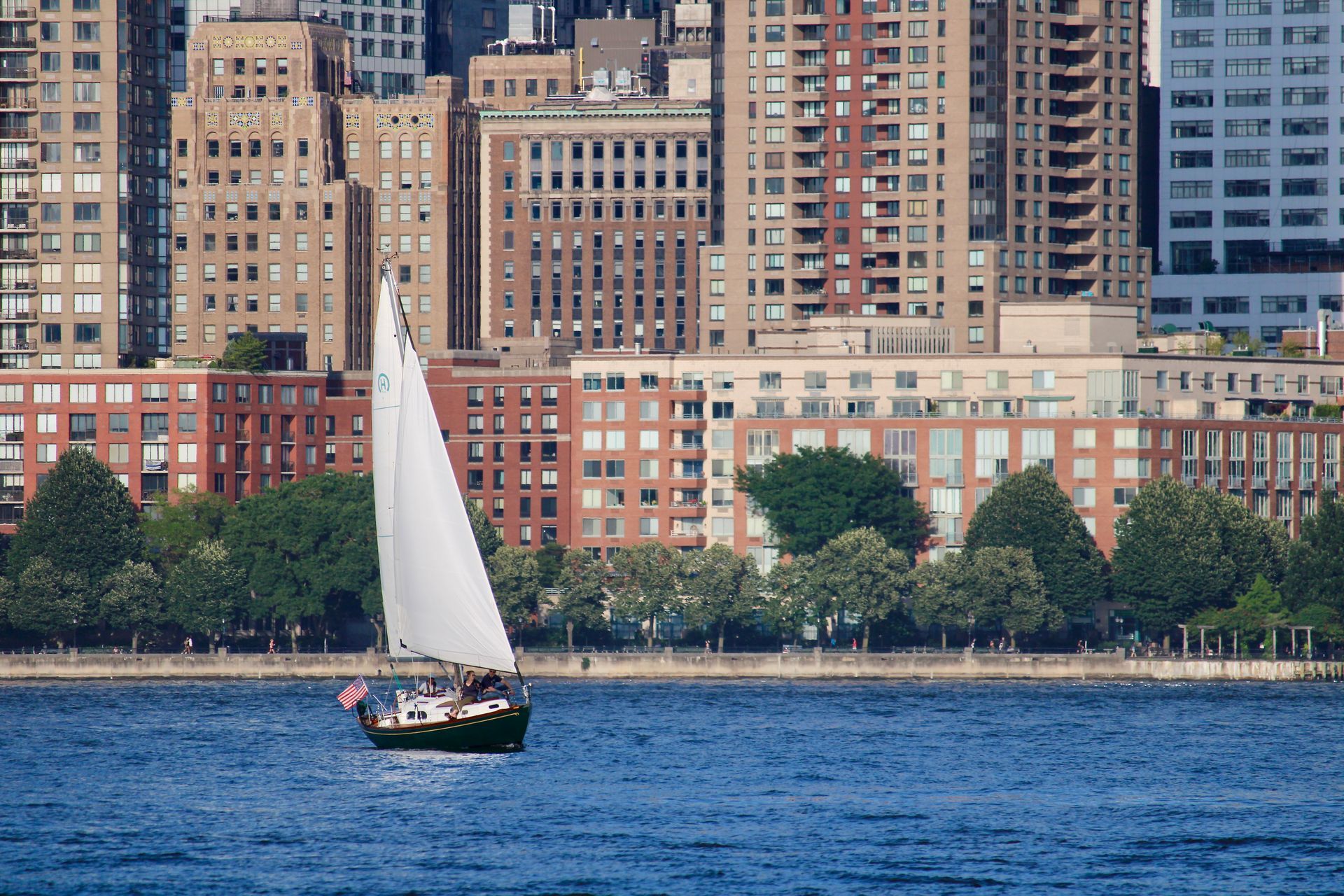
Boat Insurance: Coverage on the Water and on Land
Boat insurance works similarly to auto insurance, typically combining protection for physical damage with liability coverage. This structure helps safeguard both the vessel itself and your financial responsibility if an incident occurs.
Physical damage coverage helps pay for repairs or replacement after events such as storms, theft, vandalism, or collisions. Many plans also include medical payments for injuries involving you or your passengers.
Liability insurance is essential if you cause property damage or injure someone while operating your boat. Some policies also include uninsured or underinsured boater protection, which offers support if another boater is responsible for a loss but lacks sufficient coverage.
Optional enhancements may include towing services, emergency help, or coverage for fishing gear, personal belongings, and boat trailers. When applying for coverage, insurers consider details like boat size, value, motor type, storage location, and your boating experience.
It’s equally important to know what’s excluded. Standard boat policies generally don’t cover normal wear, gradual deterioration, or issues caused by improper upkeep. Some coverage may depend on where and when the boat is used. If you haul your boat on a trailer, confirming how that situation is insured can prevent confusion later.
RV Insurance: Tailored Protection for Travel and Campsites
RVs—whether motorhomes or travel trailers—require insurance that reflects their dual purpose as vehicles and temporary living spaces. RV policies can help with collision repairs, theft, weather damage, and liability if someone is injured or property is damaged either on the road or while parked.
Motorhomes typically require liability insurance by law. Comprehensive and collision options are usually optional unless a loan or lease requires them. Comprehensive coverage often applies to non-collision events such as fire, theft, vandalism, severe storms, or animal damage. Collision helps pay for damage caused by hitting another vehicle or object.
Travel trailers differ because they don’t have engines. Insurance is often optional, with liability usually tied to the towing vehicle. However, some owners add vacation liability protection to help cover incidents that occur at campsites.
Many RV policies also offer extras like roadside assistance, medical payments, emergency lodging coverage, or protections for personal property inside the RV. Some plans even include pet coverage. Exclusions frequently involve wear and tear, mold, or certain moisture-related issues.
Motorcycle Insurance: Essential Coverage for Every Rider
Motorcycle insurance provides financial protection if your bike, scooter, or moped is damaged, stolen, or involved in an incident that harms someone else. Nearly every state requires motorcycle coverage, making it essential for legal and financial reasons.
Riding without proper insurance can lead to fines, license suspension, legal action, or even jail time in some locations. Most riders maintain at least the state-required liability limits, even for older models. Comprehensive and collision options are typically optional unless required by a lender.
Premiums are influenced by your riding record, age, location, motorcycle type, and chosen limits. Regardless of your bike’s value, adequate insurance helps protect you from unexpected out-of-pocket expenses.
ATV Insurance: Closing the Gaps Owners Often Miss
ATV insurance is frequently misunderstood, as many owners assume their homeowners policy offers full protection. In reality, homeowners coverage is often limited and may only apply if the ATV is used on your property.
Dedicated ATV policies can include liability, collision, comprehensive, uninsured or underinsured motorist protection, and medical payments coverage. Collision typically applies to damage impacting the ATV’s operation, while comprehensive helps with losses from non-collision events such as fire. This may also include coverage for attached accessories.
Medical payments coverage can help with treatment costs after an accident, no matter who is at fault. If you transport the ATV, check how your insurance applies during hauling—damage occurring in transit may require separate trailer coverage.
A Quick Review Helps Protect Your Summer Plans
Skipping the right insurance for your seasonal vehicles can lead to costly repairs, medical expenses, or legal issues. A brief review of your policies ensures you’re prepared for a fun and safe adventure season.
If you’re unsure whether you have the right coverage for your boat, RV, motorcycle, or ATV, a quick conversation with your insurance professional can help. Taking time now means you can enjoy the summer ahead with confidence.